The Importance of Diagnostic Tests in Early Disease Detection

+91-9645888852
Early detection of diseases is one of the most crucial steps toward effective treatment and improved patient outcomes. Diagnostic tests play a vital role in identifying health conditions before symptoms become severe, allowing timely intervention and better management. In this blog, we explore why diagnostic tests are essential, the types of tests available, and how they contribute to overall health.
Diagnostic tests are medical procedures or analyses used to detect, monitor, or confirm the presence of a disease, infection, or medical condition. These tests can range from simple blood tests to advanced imaging techniques. The main goal is to identify abnormalities early, enabling prompt treatment.
Early disease detection is critical for several reasons:
Improved Treatment Outcomes
Detecting a condition in its early stages often allows for less invasive treatment and a higher chance of recovery.
Prevention of Complications
Many chronic diseases, if left undiagnosed, can lead to serious complications. Early testing helps prevent long-term damage.
Cost-Effective Care
Early detection reduces the need for complex treatments, hospitalizations, or surgeries, saving both time and money.
Better Quality of Life
Identifying diseases early allows patients to manage their health proactively, maintaining daily life activities without major disruptions.
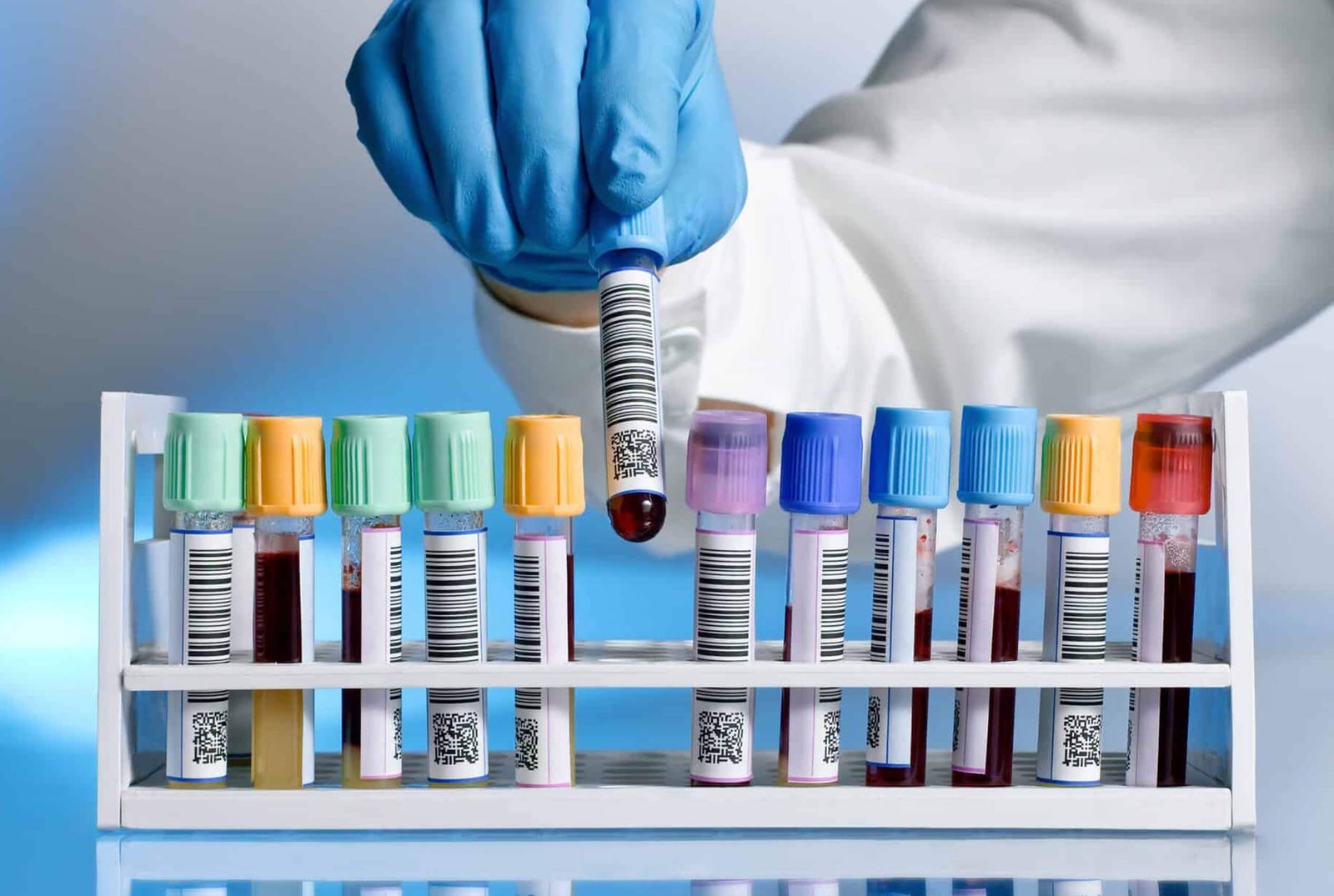
Blood tests are fundamental in detecting conditions like diabetes, anemia, infections, and cholesterol imbalances. They provide vital information about the body’s overall health.
Techniques such as X-rays, MRI, CT scans, and ultrasounds help visualize internal organs, bones, and tissues to detect abnormalities.
These tests can identify kidney issues, infections, digestive problems, and other metabolic disorders early.
Advanced tests analyze DNA or specific biomarkers to detect hereditary conditions or predispositions to certain diseases.
Electrocardiograms (ECG), echocardiograms, and stress tests monitor heart function and detect early signs of heart disease.
Preventive healthcare focuses on avoiding disease rather than only treating it. Diagnostic tests allow:
Routine screenings for early detection of cancer, diabetes, and hypertension
Identification of risk factors before symptoms appear
Monitoring of chronic conditions to prevent deterioration
Selecting the appropriate diagnostic test depends on factors such as:
Age, gender, and family medical history
Presence of symptoms or risk factors
Recommendations from a healthcare provider
Consulting a qualified medical professional ensures accurate diagnosis and appropriate testing.
Diagnostic tests are more than just tools for detecting disease—they are essential for maintaining health, preventing complications, and enabling timely treatment. By prioritizing early detection, individuals can take control of their health, improve outcomes, and enjoy a better quality of life.
Get expert care across all specialties under one roof for your complete health and wellness.