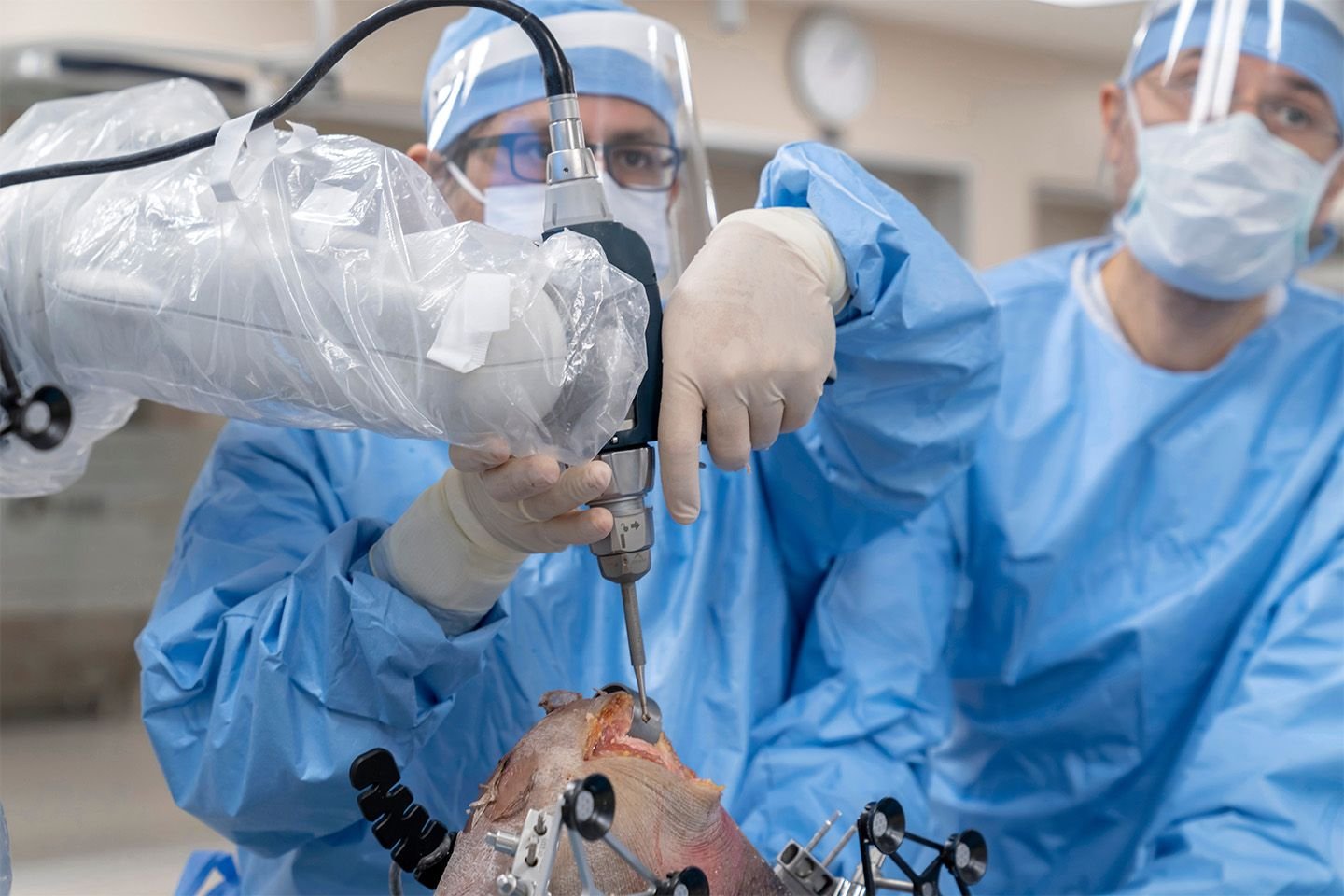
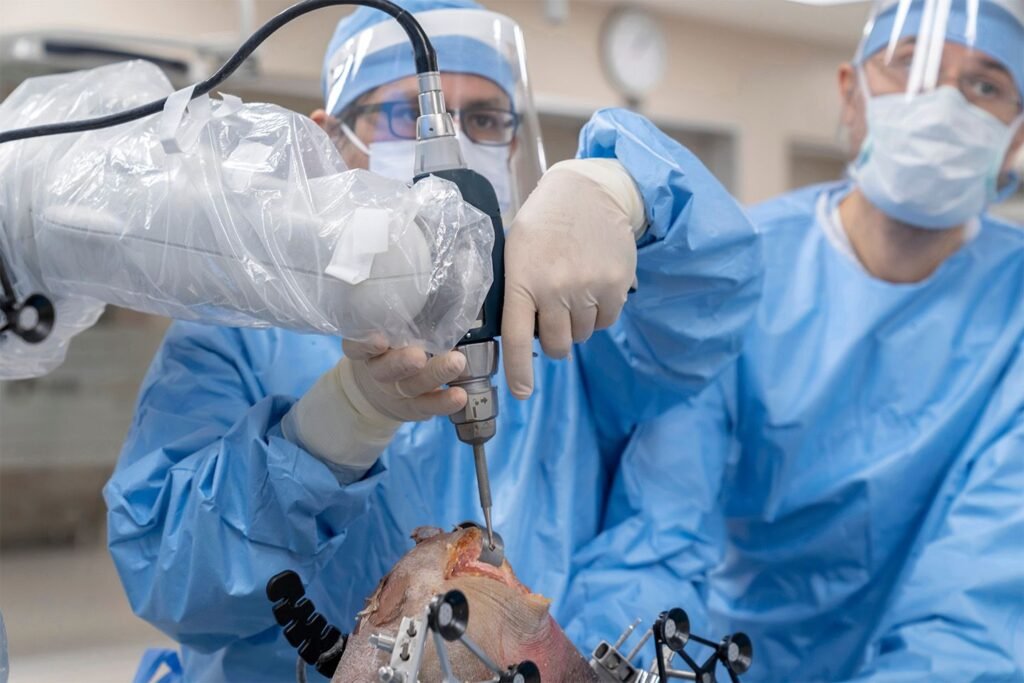
Joint pain can severely affect your daily life — whether it’s walking, climbing stairs, or even resting comfortably. At NAFS Healthcare, one of the best multispeciality hospitals in Kerala, we understand how debilitating chronic joint pain can be. For patients who’ve tried all non-surgical treatments without relief, joint replacement surgery can be a life-changing solution.
Joint replacement is a surgical procedure where a damaged joint — most commonly the knee, hip, or shoulder — is replaced with an artificial implant. These implants mimic the natural movement of the joint, restoring flexibility and reducing pain.
At NAFS Healthcare, Kozhikode, our team of orthopaedic specialists uses advanced surgical techniques and modern implants to ensure quicker recovery and long-term comfort.
Joint replacement is usually recommended when:
Severe Joint Pain: Persistent pain limits your movement or daily activities, even after medications or physiotherapy.
Arthritis Damage: Osteoarthritis or rheumatoid arthritis has caused significant wear and tear to the joint.
Decreased Mobility: You find it difficult to walk, sit, or climb stairs without discomfort.
Stiffness and Swelling: Chronic stiffness affects your joint’s flexibility and comfort.
Failure of Other Treatments: Non-surgical methods like painkillers, injections, or physiotherapy no longer provide relief.
Our orthopaedic experts at NAFS Healthcare assess each patient’s condition through detailed evaluations and imaging before recommending surgery.
Selecting an experienced orthopedic surgeon and a hospital with a strong track record in joint replacement surgery is crucial. Look for:
Board-certified orthopedic surgeons
Access to advanced surgical techniques like minimally invasive or robotic-assisted surgery
Comprehensive postoperative rehabilitation programs
Joint replacement can be life-changing, restoring mobility and relieving chronic pain. However, it’s not a decision to take lightly. If you are struggling with joint pain that limits your daily activities, consult an orthopedic specialist to evaluate whether joint replacement is the right choice for you.